What Is the Difference Between Reusable Desiccant Non-woven Fabric and Reusable Desiccant Packs
In daily life, desiccants are widely used in various fields such as moisture-proof, mildew-proof, and dry environments. With the increasing awareness of environmental protection, renewable desiccant products are favored, and renewable diatom desiccant non-woven fabric and renewable desiccant packs are two types of renewable desiccant products. This article analyzes and compares the two from the aspects of material, function, usage scenarios, safety, and environmental protection, providing a reference for selecting suitable renewable desiccant products.
Material Differences
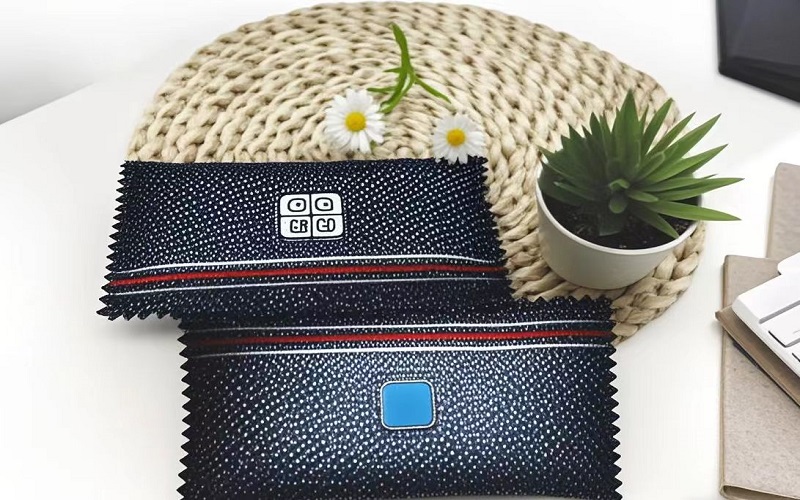
Renewable diatomite desiccant non-woven fabric: made of composite diatomite substrate desiccant and composite non-woven fabric. Diatomites have a large specific surface area, porous structure, and strong adsorption properties. The fusion of high moisture absorption and moisture locking materials can effectively absorb moisture and air moisture comprehensively, with gradient comprehensive moisture absorption ability, and high moisture content is not easily saturated. The non-woven fabric also provides good breathability and durability.
Renewable desiccant packs: usually filled with silicone or other materials in breathable bags. These materials have good moisture absorption, but their material and structure are different from diatomaceous earth desiccant non-woven fabric.
Functional Features
Renewable diatomite desiccant non-woven fabric: It has strong moisture absorption and locking ability, as well as high moisture content, and is not easily saturated. The composite of multiple materials not only has a gradient comprehensive moisture absorption ability, but its porous structure can also automatically absorb or release moisture according to environmental humidity, avoiding excessively humid or dry environments. When the environmental humidity is below 40% RH, it continuously releases moisture, naturally dries, and regenerates for use. In addition, diatomites themselves have certain antibacterial properties and the ability to adsorb odors, which helps to inhibit bacterial growth and mold and prevent the production of odors.
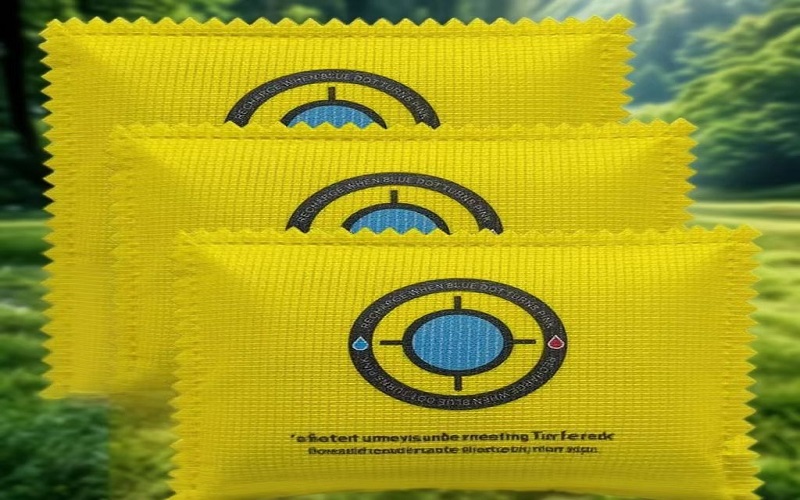
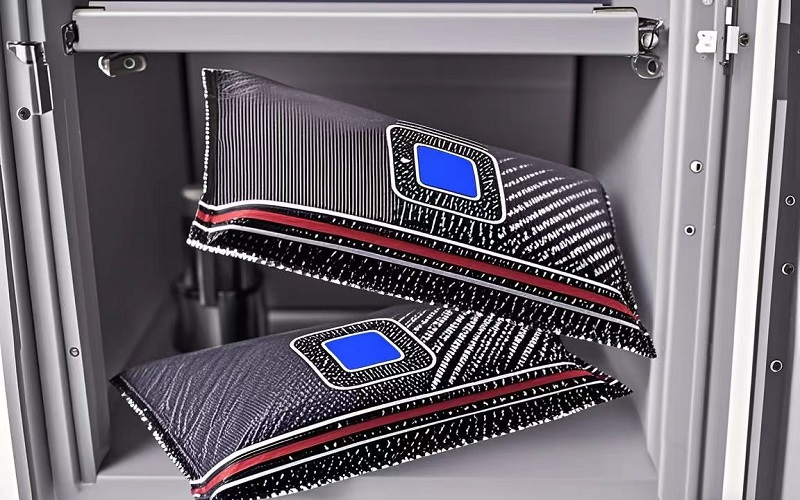
Renewable desiccant packs: Its main function is to absorb moisture and prevent moisture. Some products, such as silicone desiccant bags, can be regenerated by heating and drying after absorbing moisture, restoring their moisture absorption ability.
Usage Scenarios
Renewable diatomite desiccant non-woven fabric: Due to its strong moisture absorption, high moisture content, and comprehensive drying ability, it is suitable for large areas with high humidity and environments that require comprehensive drying. Such as moisture-proof wardrobes, shoe cabinets, or the bottom of mattresses, they can also absorb spatial odors and prevent the generation of odors. Non-woven fabrics are adaptable to various environments.
Renewable desiccant packs: suitable for various moisture-proof needs, such as electronic devices, packaging bags, etc., and are especially suitable for moisture absorption and moisture-proof in small spaces.
Safety and Environmental Protection
Renewable diatomite desiccant non-woven fabric: Natural diatomite composite is non-toxic and harmless, with no harmful substance volatilization, and no physical adsorption or chemical reaction. No special maintenance is required. When it is too humid, place it in a cool and dry place to air dry before reuse.
Renewable desiccant packs: Bagged desiccants are usually made of materials such as silicone and need to be stored and handled properly to avoid contact with children or pets.
Through analysis of renewable diatomite desiccant non-woven fabric and renewable desiccant packs, significant differences exist in material, function, adaptability, and other aspects between the two. The specific choice of desiccant product depends on the needs and application scenarios, and users can choose the appropriate product according to their own conditions.