What Is the Difference Between Composite Diatomite Desiccant Non-woven Fabric and Desiccant Bag
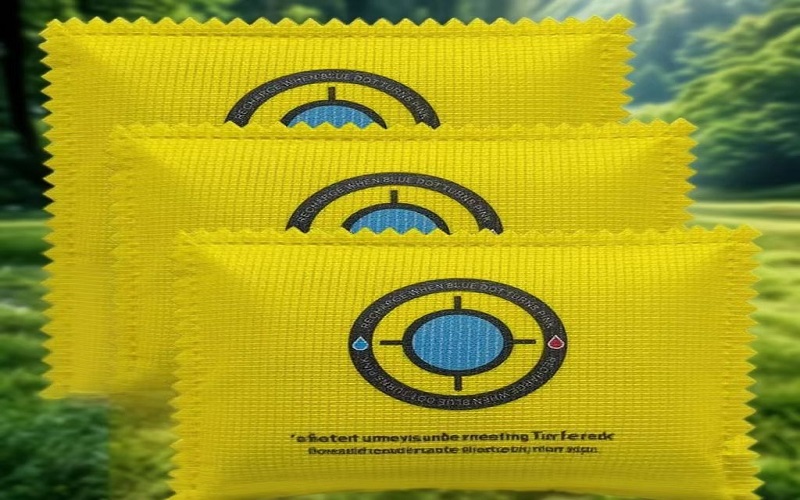
In daily life, the use of desiccants is becoming increasingly widespread, playing an important role in food preservation, electronic product protection, and moisture prevention. Compared to desiccant bags, the most common type of composite diatomite desiccant non-woven fabric is desiccant bags. Although they both have moisture absorption and drying functions, there are significant differences in material, performance, and application scenarios between composite diatomite desiccant non-woven fabrics.
Composition of materials
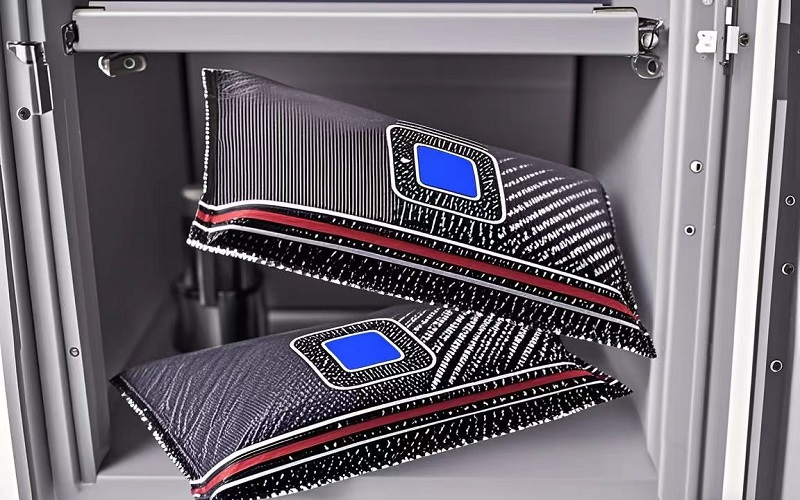
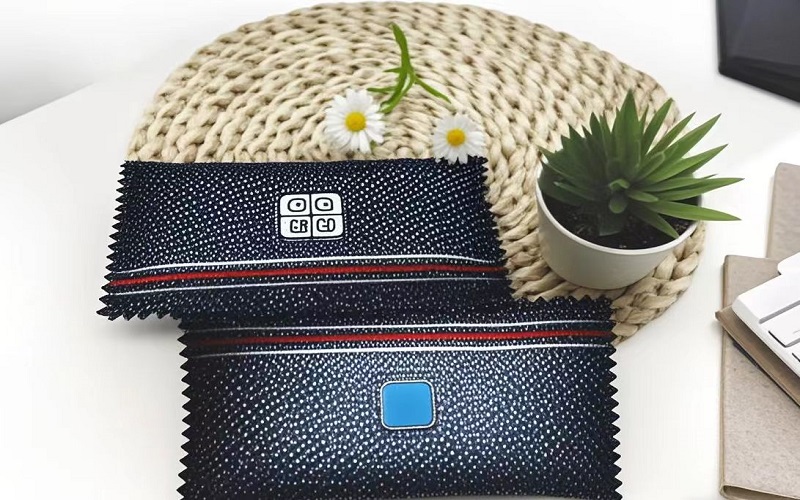
Composite diatomite desiccant non-woven fabric: It is a new environmentally friendly material composed of modified diatomite composite and non-woven fabric. The main diatomite is a natural porous material with strong adsorption capacity, fused with high moisture absorption and storage materials, with a high moisture absorption capacity of up to 400% of the mass. Made through composite technology with non-woven fabric, it has good breathability and durability.
Desiccant bag: usually composed of active materials such as silicone, wrapped with a layer of non-woven fabric or characteristic paper to achieve the purpose of moisture absorption and drying. Silicone is an artificially synthesized high moisture absorbing material that can absorb 30% -40% of its own mass of moisture.
Performance characteristics
Composite diatomite desiccant non-woven fabric: Its main advantages are gradient hierarchical moisture absorption and storage, high moisture content, and environmental sustainability. The porous structure of diatoms and the fusion of multiple materials give them the characteristics of rapid moisture absorption, hierarchical moisture storage, and high moisture absorption, making them less prone to saturation and failure, and possessing the ability to dry persistently. At the same time, the porous structure of diatomites can effectively adsorb odors and also play a certain role in purifying the air.
Desiccant bag: Its performance focuses on high water absorption and chemical stability. Synthetic materials such as silicone can work stably in various environments and are not easily affected by temperature and humidity. At the same time, the sealing of the desiccant bag is good, which can prevent the moisture absorbing material from directly contacting the object and avoid contamination.
Application scenarios
Composite diatomite desiccant non-woven fabric: Its form and environmental characteristics are suitable for the protection of households and individuals. The moisture and mold-resistant environment for clothing and household items is also suitable for environments that are environmentally friendly, have high requirements, and have relatively large areas.
Desiccant bag: Its strong moisture absorption and stability characteristics make it suitable for industrial and commercial fields. Packaging for electronic products, precision instruments, etc. can effectively prevent moisture and avoid affecting product performance. Drying bags are also commonly used in food packaging to extend shelf life.
Safety and environmental friendliness
Composite diatomite desiccant non-woven fabric: the main material with natural properties, no volatile harmful substances, non-toxic, harmless, nonirritating, and friendly to the human body and environment. At the same time, the unique moisture wicking performance of the material allows for natural moisture wicking in dry environments and repeated and long-lasting use.
Desiccant bag: Although the silicone and other materials in the drying bag are chemically stable if accidentally ingested, they may cause harm to the human body. Therefore, they need to be stored properly to avoid contact with children. The expired desiccant bag needs to be properly disposed of to prevent environmental pollution.
From the above analysis, it can be seen that composite diatomite desiccant non-woven fabric and desiccant bag each have their own advantages. For users who pursue environmental protection, safety, and long-term use, composite diatomite desiccant non-woven fabric is a good choice. For users who pursue cost-effectiveness and disposable use, dry bags are more suitable and can be chosen according to application needs and actual environmental requirements.