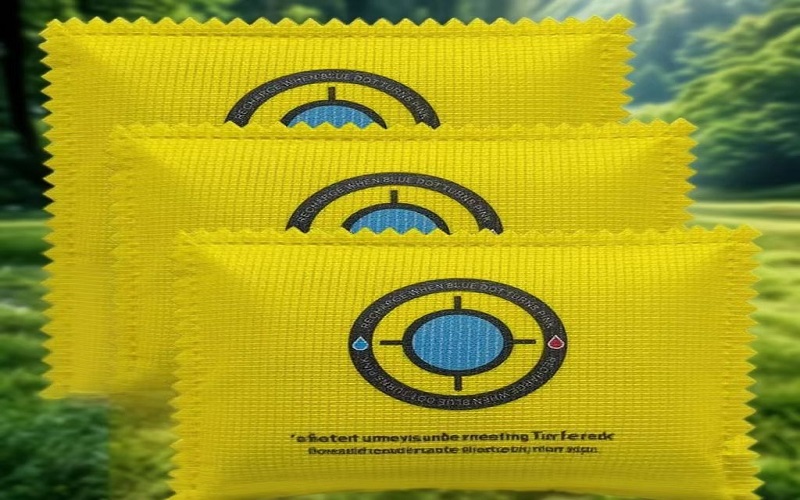
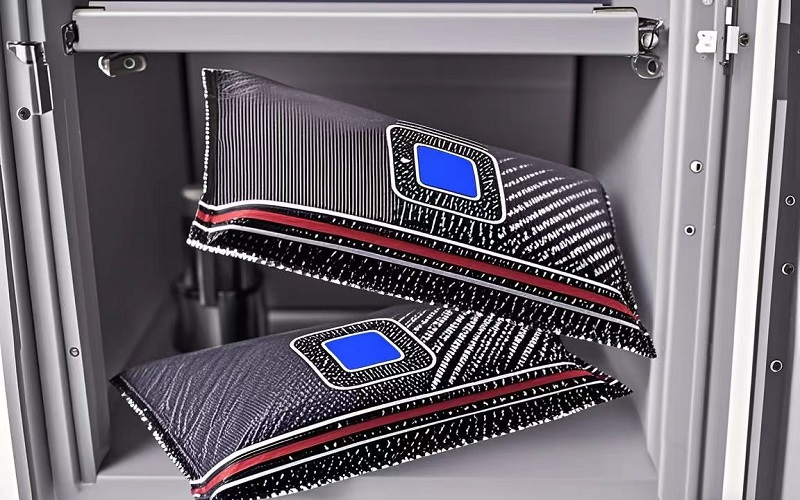
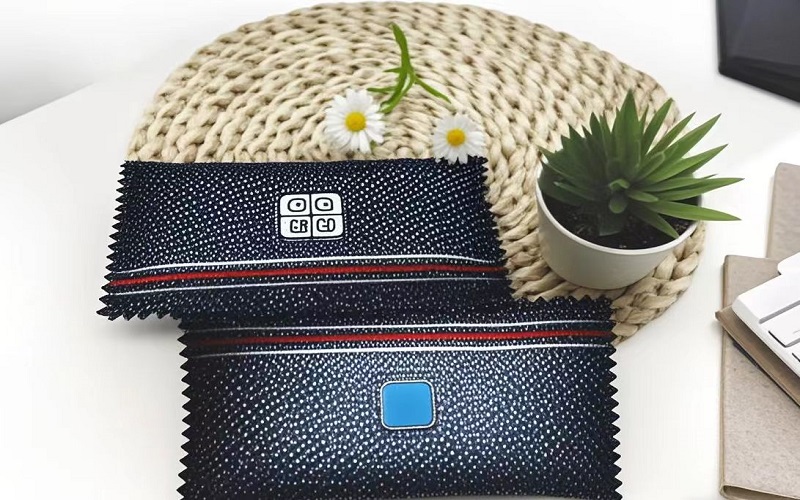
Under Cabinet Heat and Moisture Barrier: Application Analysis of Composite Diatomite Non-woven
In modern home environments, cabinets not only serve the function of storage but also have decorative functions. However, underneath the cabinets, as the area where the cabinets come into contact with the ground, there are often issues such as moisture and mold growth due to changes in humidity and temperature. The application of composite diatomite non-woven fabric as a new material in the insulation and moisture-proof layer under cabinets is gradually receiving attention. This article will analyze its application and provide a reference for users.
Characteristics of Composite Diatomite Non-woven Fabric Material
1. Composite diatomite components
The main material diatomite is a natural mineral deposited from diatom remains, with a large specific surface area, microporous structure, strong adsorption capacity, and the ability to adsorb moisture and harmful gases in the air. Its porous structure has the characteristics of moisture absorption, moisture regulation, and natural moisture dissipation. The fused moisture-absorbing and moisture-locking material can quickly absorb moisture from the air and lock excess moisture in the diatom complex, removing moisture and reducing humidity. In addition, composite diatomite has the characteristic of high moisture content and low saturation, which can ensure the adsorption and deodorization ability of porous structures in humid environments.
2. Non-woven substrate
Non-woven fabric, as the substrate of composite materials, has good strength and durability, which can stabilize composite diatomite and enhance the stability of the overall structure.
3. Composite effect
The composite of diatomite and non-woven fabric not only retains the adsorption and breathability properties of diatomite but also endows the material with sufficient strength and durability, making it suitable for use as an insulation and moisture-proof layer under cabinets.
Application of Composite Diatomite Non-woven Fabric Under Cabinet Heat and Moisture Barrier
1. Thermal insulation performance:The porous structure of composite diatomite non-woven fabric can effectively isolate the heat transfer between the bottom of the cabinet and the ground, reduce the conduction of ground heat to the interior of the cabinet, effectively protect the items inside the cabinet, and prevent damage.
2. Moisture resistance performance:The moisture absorption ability of composite diatomite can quickly absorb moisture under cabinets and lock excess moisture in the composite material, maintaining a dry environment under cabinets and preventing mold and corrosion.
3. Moisture regulation and removal:The porous structure of composite diatomite can automatically absorb or release moisture according to changes in humidity in the environment below the cabinet, avoiding excessive humidity or dryness in the environment and playing a role in regulating environmental humidity.
4. Absorb odors:The porous structure of composite diatomite can adsorb odors and harmful gases in the air, playing a role in purifying the air.
5. Easy to construct and maintain:Composite diatomite non-woven fabric material is lightweight, soft, and easy to cut and lay, greatly reducing construction difficulty. Meanwhile, its durability and stability also reduce the frequency and cost of daily maintenance.
Application Cases
User feedback: The use of composite diatomite non-woven fabric as a thermal and moisture-resistant layer under the cabinet effectively solves the problems of moisture and heat transfer caused by the cabinet coming into contact with the ground. The humidity inside the cabinet is always suitable, keeping the environment dry and greatly improving the quality of family life.
In summary, composite diatomite non-woven fabric, as a new material, has shown significant application advantages in the insulation and moisture-proof layer under cabinets. Its unique humidity control and removal characteristics, thermal insulation and moisture resistance, as well as easy construction and maintenance, have all proven to play an important role in improving the quality of cabinets and the comfort of home life in practical applications, providing users with a new choice for thermal insulation and moisture resistance solutions.