The Application Advantages of Composite Diatomite Non-woven in The Moisture Barrier for Crawl Space
Crawling space, due to its special location and structure, often faces problems such as moisture and mold, which can have a negative impact on the environment and even affect health. Therefore, choosing a suitable moisture barrier is very important. Composite diatomite non-woven fabric, as a new environmentally friendly material, has shown unique advantages in the application of moisture barrier in crawling spaces.
Basic Characteristics of Composite Diatomite Non-woven Fabric
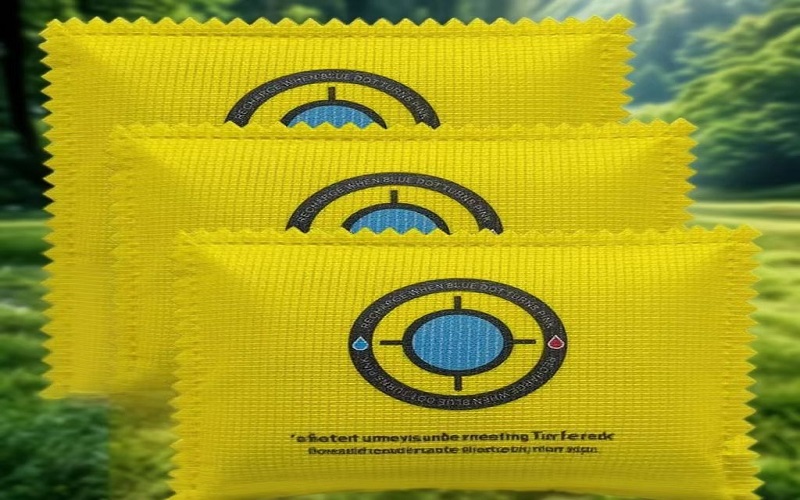
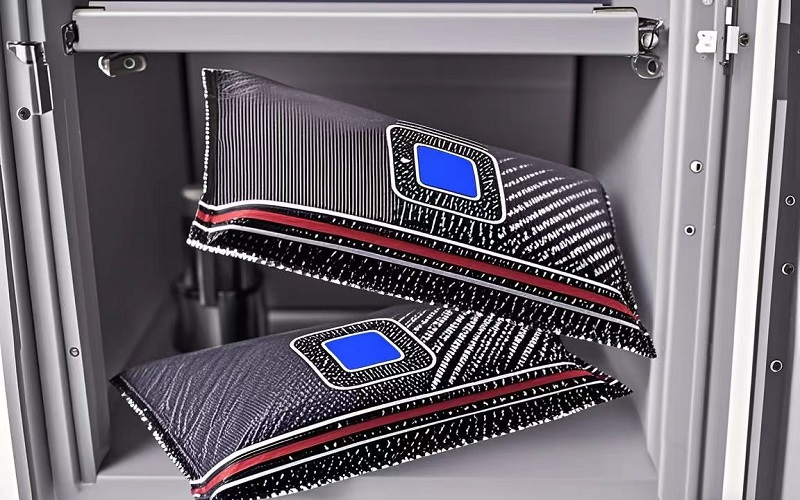
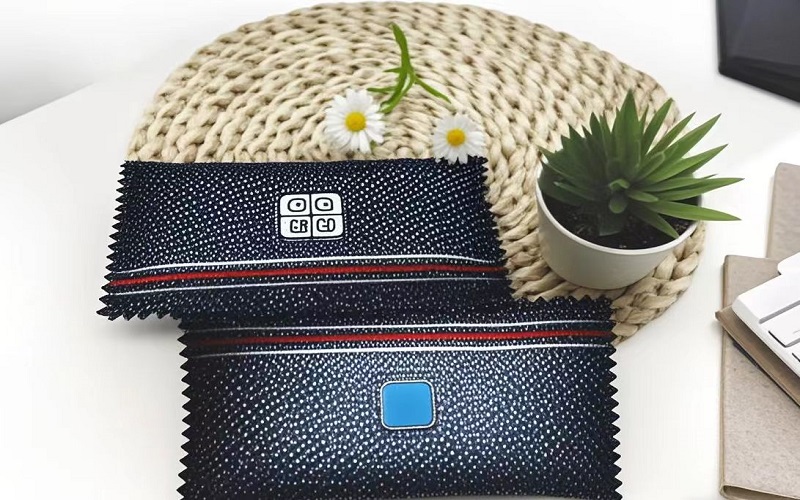
Composite diatomite non-woven fabric is composed of diatomite composite and non-woven fabric. The composite diatomite has a large specific surface area, microporous structure, and extremely strong adsorption ability, which can effectively adsorb odors and harmful gases. The fused high moisture-absorbing material has the characteristics of moisture-locking and regulation. Non-woven fabrics have good breathability and durability. This composite material can not only effectively absorb moisture and odors, but also maintain structural stability and durability.
The Application Advantages of Composite Diatomite Non-woven Fabric in The Moisture Barrier of Crawling Space
1. Efficient moisture absorption
The moisture-absorbing and locking material of composite diatomite non-woven fabric can quickly absorb moisture in the space and lock excess moisture in the diatomite composite. The porous structure of diatomite simultaneously adsorbs water, forming a gradient moisture absorption ability that can quickly reduce the humidity of crawling spaces. Keep the space environment dry.
2. Adjust humidity
The porous structure of composite diatomite has moisture regulating properties. It can automatically absorb or release moisture according to changes in humidity in the crawling space, adjust humidity balance, and effectively avoid excessively humid or dry space environment. Maintain humidity balance within a certain range. Usually, when the environmental humidity is below 40% RH, the composite diatomite non-woven fabric will release the adsorbed moisture and naturally dry and regenerate.
3. Absorb odors
The porous structure of diatomite has strong adsorption properties, which can effectively adsorb odors and harmful gases in crawling spaces, and play a role in purifying the air. In addition, the high moisture content and low saturation of composite diatomite non-woven fabric can ensure the adsorption and deodorization ability in humid environments.
4. Antibacterial and mildew proof
The porous structure and dry environment of composite diatomite have natural antibacterial properties, and bacteria and molds cannot survive and reproduce, further improving the antibacterial and mildew resistance of crawling spaces.
5. Good breathability
Unlike traditional moisture-proof films, the porous structure of composite diatomite non-woven fabric facilitates air circulation and avoids the problem of internal moisture accumulation caused by overly tight sealing.
6. Environmental protection and health
Composite diatomite is natural inorganic materials that are non-toxic and harmless, and do not release harmful substances. Composite diatomite non-woven fabric will not cause harm to the human body and the environment during the moisture absorption process, which is in line with the concept of environmental protection.
7. Easy construction
Composite diatomite non-woven fabric has good flexibility and plasticity and is easy to cut and lay. Meanwhile, its lightweight material also reduces construction difficulty and cost, improving construction efficiency.
8. Strong durability
The non-woven fabric substrate endows the composite diatomite non-woven fabric with good strength and durability and can withstand certain loads and wear. In the complex environment of crawling space, composite diatomite non-woven fabric can maintain long-term moisture resistance.
In summary, the application of composite diatomite non-woven fabric in the moisture barrier of crawling spaces has significant advantages. Its high efficiency in moisture absorption and regulation, odor adsorption, antibacterial and anti-mold properties, as well as environmental protection, health, easy construction, and strong durability, make it an ideal material to solve the problem of moisture in crawling spaces.