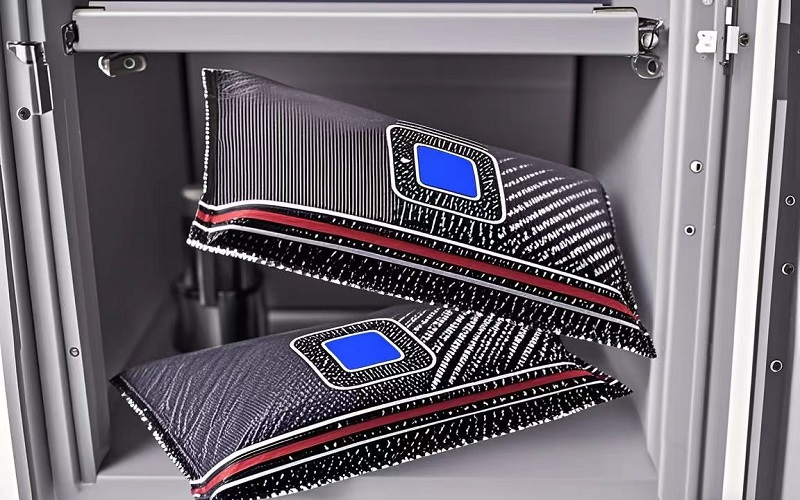
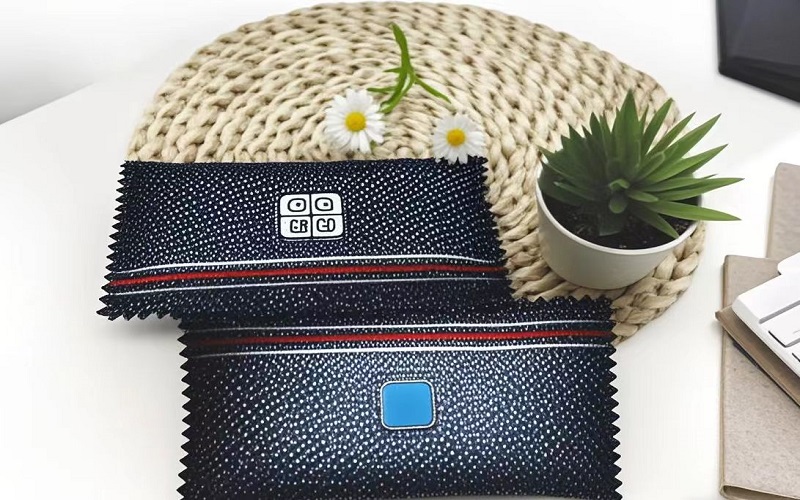
Moisture Absorber for Boats: Comparison Between Charcoal Moisture Absorber and Diatomite Sheet
In the marine environment, humidity control plays an important role in protecting cargo, equipment, and the internal environment of the ship. Marine activated charcoal moisture absorbent and diatomite moisture-absorbing and anti-mold sheet are used as humidity control materials, each with their own characteristics and applicable scenarios. Below is a comparative analysis of multiple aspects of the two.
一. Material Characteristics
Charcoal moisture absorber: mainly relying on physical adsorption, it adsorbs moisture from the air through the small pores on the surface of activated charcoal. Its microporous structure can adsorb various gases and liquid molecules, including water vapor. Activated charcoal itself is non-toxic, odorless, chemically stable, and not easily reactive with other substances.
Diatomite moisture-absorbing and anti-mold sheet: mainly composed of composite diatomite, diatoms are natural microporous materials with a porosity of over 85% and strong adsorption properties. Combined with high moisture-locking and drying materials, it can quickly absorb moisture and lock it in the composite. In addition, composite diatomite has good breathability and humidity control properties, and can slowly release moisture when the environmental humidity is below 40% after adsorption, maintaining relative stability of environmental humidity. At the same time, the porous structure and dry environment of diatomite moisture-absorbing and anti-mold sheet have natural antibacterial and anti-mold abilities, which can effectively inhibit the growth of mold.
二. Moisture Absorption
Charcoal moisture absorber: It absorbs moisture quickly and can quickly absorb water. But in high humidity environments, the adsorption capacity may decrease. In addition, the adsorption performance of activated carbon is affected by temperature and humidity, and the adsorption effect may weaken in high temperature and high humidity environments.
Diatomite moisture-absorbing and anti-mold sheet: Diatomite porous adsorption and moisture-locking materials synergistically absorb moisture, with fast speed and stable performance. The characteristics of composite materials make them have a high moisture absorption capacity, with a moisture content of over 400% of their own mass, and can continuously absorb moisture from the air. At the same time, diatomite moisture-absorbing and anti-mold sheets also have a certain humidity-regulating function, which can slowly release moisture according to changes in environmental humidity after adsorption, maintaining the balance of environmental humidity.
三. Anti-mold Effect
Charcoal moisture absorber: It does not have anti-mold function and mainly indirectly inhibits mold growth by reducing environmental humidity. In high humidity environments, if the adsorption capacity of the moisture absorbent is insufficient, it may still lead to the growth of mold.
Diatomite moisture-absorbing and anti-mold sheet: Its porous structure and drying ability can effectively inhibit the growth and reproduction of mold. In practical applications, diatomite moisture-absorbing and anti-mold sheets can maintain a dry and clean environment for a long time, effectively preventing the growth of mold.
四. Service Life and Maintenance
Charcoal moisture absorber: Its service life is relatively short, and its adsorption capacity will gradually decrease after a period of use. Regular replacement or regeneration is required to maintain moisture absorption performance. The regeneration process usually requires heating treatment and the operation is relatively complex.
Diatomite moisture-absorbing and anti-mold sheet: It has a long service life and can maintain stable moisture-absorbing, drying, and anti-mold properties for a long time. Its maintenance is relatively simple and generally does not require frequent replacement or regeneration. Just check the moisture absorption of the sheet regularly. When it is too humid, it can be naturally regenerated by placing it in a cool, ventilated, and dry environment.
五. Application Scenarios
Charcoal moisture absorber: suitable for environments that absorb moisture and heavily adsorb odors, such as ship cabins. It can quickly adsorb pollutants in the air and improve the air quality inside the cabin.
Diatomite moisture-absorbing and anti-mold sheet: suitable for places with moisture-absorbing and dry environments, such as residential cabins on ships. It can quickly absorb moisture and reduce environmental humidity, keeping the environment dry, while also having antibacterial and anti-mold abilities. In addition, the diatomite moisture-absorbing and anti-mold sheet has the ability to absorb odors in high-humidity environments due to its high moisture content and resistance to saturation.
六. Cost and Environmental Protection
Charcoal moisture absorber: The cost is relatively low, but during use, it needs to be replaced or regenerated regularly due to its susceptibility to saturation and failure. Long term usage costs may increase. In addition, activated charcoal moisture absorber may generate certain waste during use and needs to be properly disposed of.
Diatomite moisture-absorbing and anti-mold sheet: relatively high cost, but long service life, low long-term use cost. Its main component diatoms are natural minerals with good environmental friendliness. During use, no harmful substances will be produced, and it is harmless to the environment and human health.
七. Conclusion
Marine charcoal moisture absorbers and diatomite moisture-absorbing and anti-mold sheet each have their own advantages, disadvantages, and applicable scenarios. Charcoal moisture absorber focuses more on adsorbing odors while absorbing moisture, at a low cost. Diatomite moisture-absorbing and anti-mold sheet absorbs moisture quickly, has strong drying environment ability, and has a long service life. It is suitable for places with high requirements for moisture-absorbing and drying environments. In practical applications, suitable moisture-absorbing materials should be selected according to the specific environment and requirements of the ship to achieve the best humidity control effect.