How to Waterproof Leather? Application Analysis of Composite Diatomite Non-woven Fabric Lining
一. The Principle of Leather Waterproofing
The key to waterproofing leather is to prevent moisture from penetrating through one side of the leather and entering the other side. Natural leather is composed of collagen fibers, with numerous capillaries between the fibers. The polar groups introduced after tanning, such as hydroxyl, carboxyl, and amino groups, form bonds with water, making the leather hydrophilic. Therefore, waterproofing requires blocking the process of moisture-wetting leather and capillary water absorption. Specifically, the waterproof performance of leather is divided into non-wetting (water repellent), non-absorbent (water resistant), and impermeable (waterproof). To prevent the leather surface from being wet, it is necessary to reduce the surface energy of the leather, change its surface tension, and make the contact angle greater than 90 °. At the same time, it is necessary to improve the hydrophobic properties of the fibers inside the leather.
二. Characteristics of Composite Diatomite Non-woven Lining
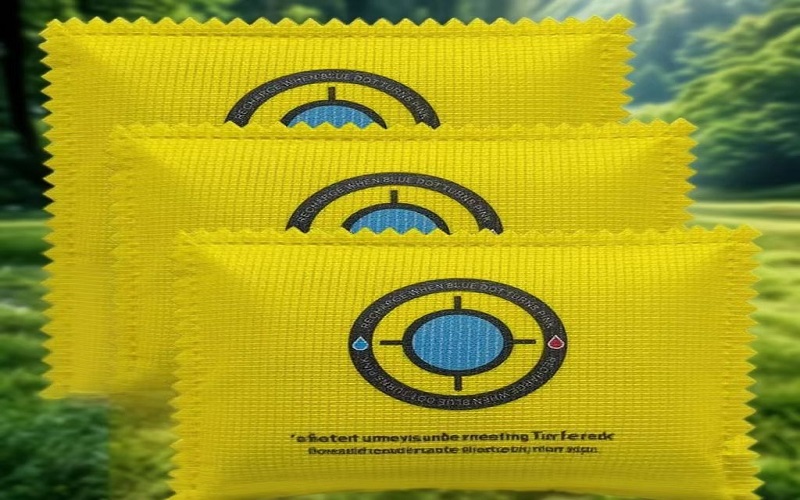
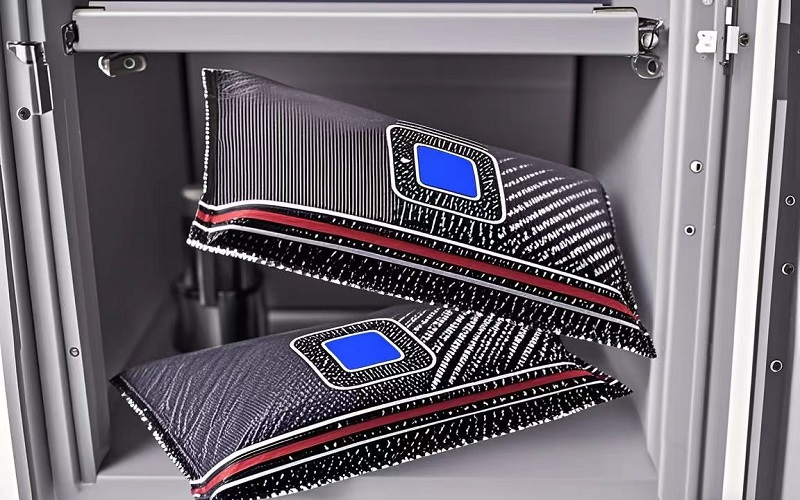
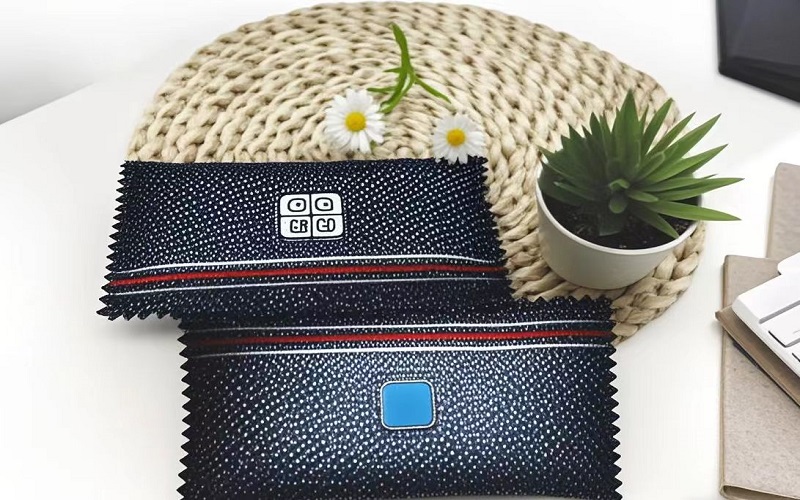
Composite diatomite non-woven fabric is a new type of material with unique structure and properties. Diatomite themselves have porosity and can adsorb and regulate water. After being compounded with non-woven fabric, not only does it retain the adsorption properties of diatomite, but it also enhances the strength and flexibility of the material. The porous structure of this lining material can effectively prevent the infiltration of moisture, and its micropores can also adsorb the infiltrated moisture, preventing further diffusion of moisture.
三. Application of Composite Diatomite Non-woven Lining in Leather Waterproofing
1. Prevent water infiltration
The porous structure of the composite diatomite non-woven fabric lining can effectively prevent water infiltration. When moisture comes into contact with the surface of leather, some moisture may penetrate into the interior through the micropores of the leather. The composite diatomite non-woven fabric lining acts as a barrier, preventing further penetration of moisture. The microporous structure inside the material can adsorb and permeate moisture, prevent moisture from diffusing inside the leather, and thus maintain the dryness of the leather.
2. Enhance the waterproof performance of leather
The composite diatomite non-woven fabric lining not only prevents moisture infiltration but also enhances the waterproof performance of the leather itself. In the process of leather processing, the composite diatomite non-woven fabric lining can be combined with leather to significantly improve the waterproof performance of leather. This composite structure not only improves the waterproof properties of leather but also maintains its breathability and comfort. Compared with traditional leather waterproofing methods, the application of composite diatomite non-woven fabric lining is more environmentally friendly and efficient.
3. Improve the service life of leather
The application of composite diatomite non-woven fabric lining can also improve the service life of leather. Due to the material's ability to effectively prevent the infiltration and diffusion of moisture, it reduces the damage of moisture to the internal structure of leather. Meanwhile, the adsorption performance of the composite diatomite non-woven fabric lining can absorb the moisture inside the leather, preventing the growth of bacteria and mold due to moisture in the leather. This not only extends the service life of leather but also improves the hygiene performance of leather products.
四. Advantages of Composite Diatomite Non-woven Fabric Lining in Leather Waterproofing
1. Environmental friendliness
The main raw materials for the lining of composite diatomite non-woven fabric are composite diatomite and non-woven fabric, which are non-toxic, harmless, and environmentally friendly. Compared with traditional leather waterproofing methods, the application of composite diatomite non-woven fabric lining is more environmentally friendly and sustainable.
2. Efficiency
The composite diatomite non-woven fabric lining can effectively prevent the penetration and diffusion of moisture, improving the waterproof performance of leather. Its internal microporous structure can adsorb and permeate moisture, preventing moisture from spreading inside the leather. This composite structure not only improves the waterproof properties of leather, but also maintains its breathability and comfort. Compared with traditional leather waterproofing methods, the application of composite diatomite non-woven fabric lining is more efficient.
3. Economy
The raw materials for composite diatomite non-woven fabric lining are widely sourced and cost-effective. The application of composite diatomite non-woven fabric lining in leather processing does not require complex equipment and processes. Compared with traditional leather waterproofing methods, the application of composite diatomite non-woven fabric lining is more economical.
五. Conclusion
The application value of composite diatomite non-woven fabric lining in leather lies in its unique structure and performance, which not only effectively prevents the penetration and diffusion of moisture, but also improves the waterproof performance of leather. At the same time, the application of composite diatomite non-woven fabric lining also has the advantages of environmental protection, high efficiency, and economy. In the future, with continuous advancement and innovation in technology, the application of composite diatomite non-woven fabric lining in leather waterproofing will be more extensive.