How to Clean Mildew From Leather
Leather goods are deeply loved by people due to their unique texture and durability. However, once leather goods become damp, they are prone to mold growth, affecting their appearance and potentially damaging the leather. This article introduces a simple and effective method for removing mold from leather goods.
Prepare Materials
1. Clean soft cloth: used to wipe the surface of leather goods to avoid scratching the leather.
2. White vinegar: White vinegar has good bactericidal and antifungal effects.
3. Clear-water: used to neutralize white vinegar and prevent residual white vinegar from corroding leather goods.
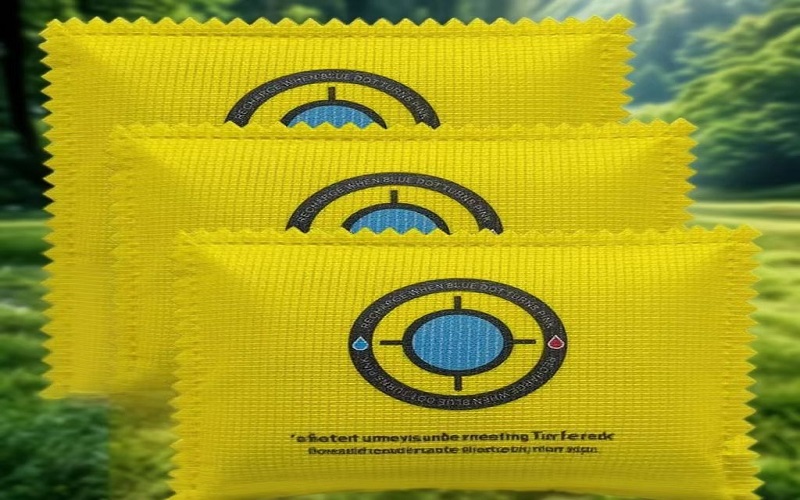
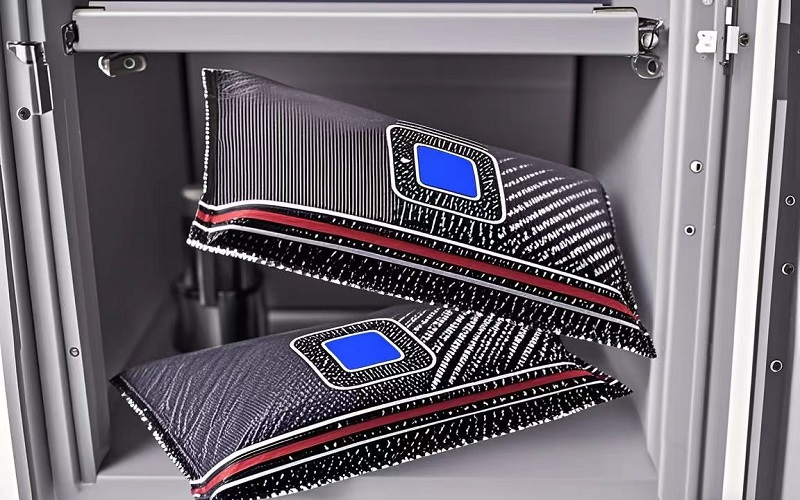
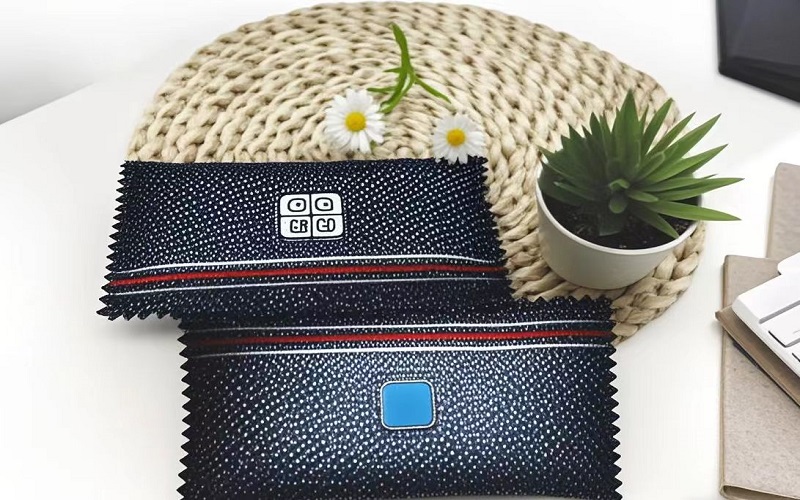
4. Composite diatomite non-woven fabric drying bag: used to absorb excess moisture in leather goods, keep them dry, and prevent mold from breeding again.
Cleaning Steps
一. Use white vinegar to wipe away mold stains
1. Dip in white vinegar: Dip a clean soft cloth into an appropriate amount of white vinegar, being careful not to dip too much to prevent the liquid from seeping into the interior of the leather goods.
2. Gently wipe: Use a soft cloth dipped in white vinegar to gently wipe the moldy area. The acidic components in white vinegar can effectively decompose mold, causing it to loosen and peel off from the surface of leather goods. Pay attention to gentle wiping to avoid damaging the cortex with excessive force.
3. Check for mold: After wiping, carefully check if the mold has been completely removed. If there are still residues, repeat the above steps until the mold completely disappears.
二. Dilute white vinegar
1. Dip in water: Dip another clean soft cloth in water and gently wipe the area treated with white vinegar to remove any remaining white vinegar. If white vinegar remains, it may cause corrosion to the cortex.
2. Absorb moisture: Gently press the surface of the leather with a clean dry cloth to absorb excess moisture. Be careful not to wipe back and forth to avoid damaging the leather.
三. Dry by airing
1. Air dry in a well ventilated area: Place the treated leather goods in a well ventilated area to air dry naturally. Avoiding direct sunlight and ventilation can help leather goods dry quickly while preventing the growth of new mold.
2. Check the drying condition: During the drying process, regularly check whether the leather goods are completely dry. The drying time depends on the size of the leather goods and the humidity of the environment.
四. Dry storage
1. Use a composite diatomite non-woven fabric drying bag: Place the leather goods into the drying bag and place the composite diatomite non-woven fabric inside the drying bag. Composite diatomite non-woven fabric has good breathability and moisture absorption, which can absorb excess moisture in leather goods and maintain a dry environment.
2. Sealed storage: Seal the dry bag and place it in a dry, cool place. Regularly check whether the diatomite non-woven fabric inside the drying bag is damp. If it is damp, it needs to be replaced or dried in a timely manner before continuing to use. To ensure that leather goods remain dry at all times.
Precautions
1. Prevention first: In daily use, try to avoid leather goods from coming into contact with damp environments, and use diatomite non-woven fabric desiccant to keep leather goods dry.
2. Regular cleaning: Regularly wipe the surface of leather goods with a clean soft cloth to remove dust and stains, and prevent mold growth.
3. Professional care: If the leather mold is severe or the leather is damaged, it is recommended to seek professional leather care services to avoid further damage.
By using the above methods, you can easily remove mold from leather goods. At the same time, proper maintenance and storage can effectively extend the service life of leather goods, keeping them in the best condition at all times.