Everything You Need to Know About Composite Diatomite Nonwoven and Activated Carbon Nonwoven
Composite diatomite non-woven fabric and activated carbon non-woven fabric are functional non-woven materials widely used in air purification, home environmental protection, and other fields in recent years. They have many differences in composition, performance, application scenarios, and other aspects.
一. Composition and Structure
Composite diatomite non-woven fabric
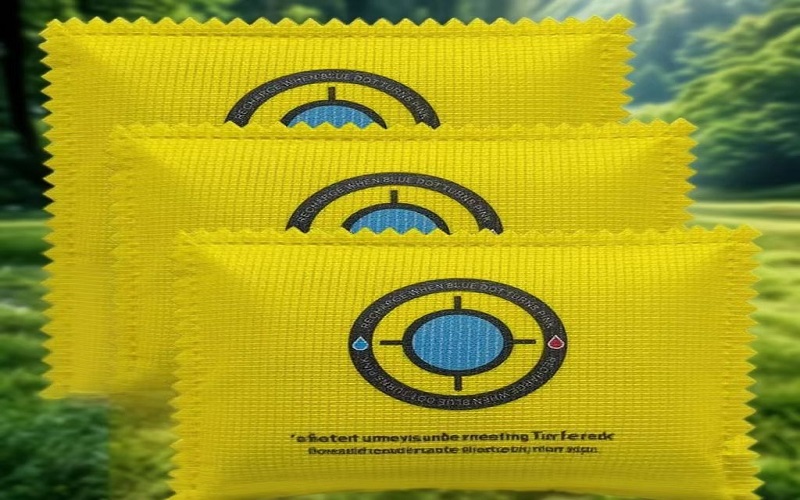
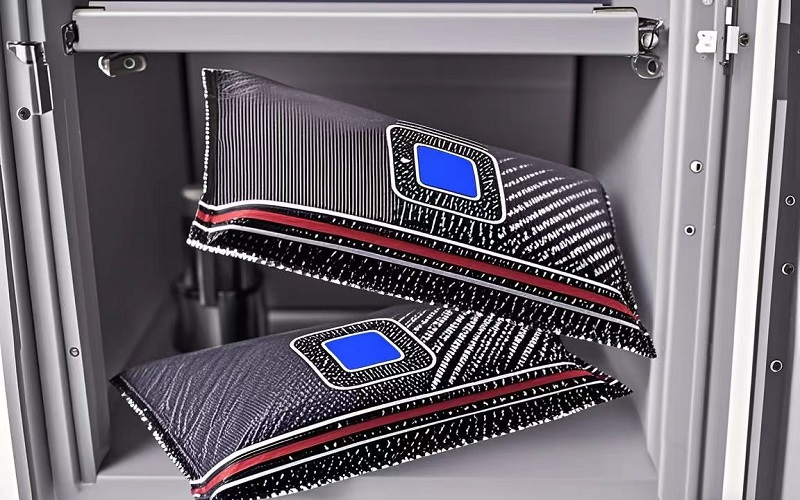
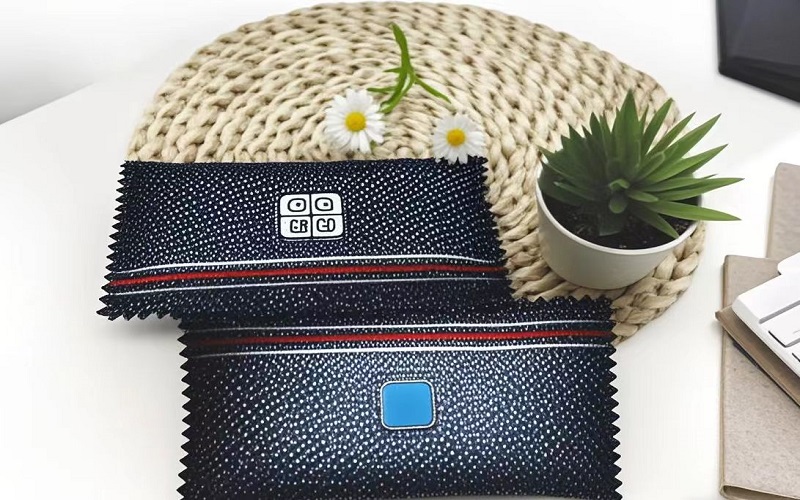
Composite diatomite non-woven fabric is mainly composed of composite diatomite and non-woven fabric. Diatomite is a biomass mineral with a unique microporous structure, and large specific surface area, and strong adsorption performance. Capable of absorbing moisture, odors, and harmful gases. Integrated with moisture-absorbing and moisture-locking materials, it has the characteristics of humidity regulation and high moisture content. Non-woven fabric provides support for composite diatomite, enabling them to better exert their moisture absorption and adsorption properties.
Activated carbon non-woven fabric
Activated carbon non-woven fabric is made by combining activated carbon particles or powders with non-woven fabric. Activated carbon is a carbon material that has undergone high-temperature activation treatment. It has a rich microporous structure and strong adsorption capacity and can adsorb various harmful gases and odors. The non-woven fabric serves as a carrier, making it easy to process into products of various shapes and sizes.
二. Adsorption Performance
1. Adsorption principle
Composite diatomite non-woven fabric: Composite diatomite mainly achieves the purpose of moisture absorption and odor adsorption through physical adsorption. Its porous structure can adsorb water molecules, odors, or harmful gases in the air. Composite moisture-absorbing materials can efficiently absorb moisture and lock excess moisture in the composite, ensuring the adsorption capacity in humid environments.
Activated carbon non-woven fabric: The adsorption principle of activated carbon is mainly physical adsorption. Relying on its microporous structure to adsorb harmful gases and odors.
2. Adsorption efficiency
Composite diatomite non-woven fabric: It has a strong ability to adsorb odors and harmful gases, as well as strong moisture absorption. The high moisture content of composite moisture-locking materials is not easily saturated, which can ensure the adsorption capacity in humid environments.
Activated carbon non-woven fabric: It has a significant adsorption effect on odors and low molecular weight harmful gases (such as benzene derivatives). However, activated carbon has a low capacity and is prone to saturation, and its adsorption capacity will decrease over time, requiring regular replacement or regeneration treatment.
三. Service Life and Maintenance
1. Service life
Composite diatomite non-woven fabric: has a relatively long service life and stable adsorption performance. The high moisture content and low saturation of composite diatomite can ensure long-lasting and stable adsorption performance. Its porous ability to regulate and remove moisture can be used for drying and regeneration in natural environments.
Activated carbon non-woven fabric: Its service life is relatively short, and the adsorption capacity of activated carbon is limited. Once the adsorption is saturated, it needs to be replaced in a timely manner. Otherwise, there may be a secondary release of harmful gases.
2. Maintenance and regeneration
Composite diatomite non-woven fabric: relatively easy to maintain, capable of drying and regenerating in natural environments. When it is excessively humid during use, it can be dried in a ventilated place to maintain its adsorption performance.
Activated carbon non-woven fabric: It can be regenerated at high temperatures to restore some of its adsorption capacity. However, after multiple regenerations, the adsorption performance of activated carbon will significantly decrease.
四. Application Scenarios
Composite diatomite non-woven fabric: commonly used in environmental moisture-proof and moisture-absorbing product applications, it can effectively remove moisture and dry environments. Like carpets that absorb moisture and moisture.
Activated carbon non-woven fabric: mainly used for adsorbing harmful gases and air purification products. Such as masks, air purifiers, etc.
Composite diatomite non-woven fabric and activated carbon non-woven fabric have different properties and are suitable for different application scenarios. Composite diatomite non-woven fabric has a wider range of applications due to its moisture absorption, odor removal, moisture resistance, and recyclability. Activated carbon cloth is more favored in air purification and dust prevention due to its good adsorption properties.