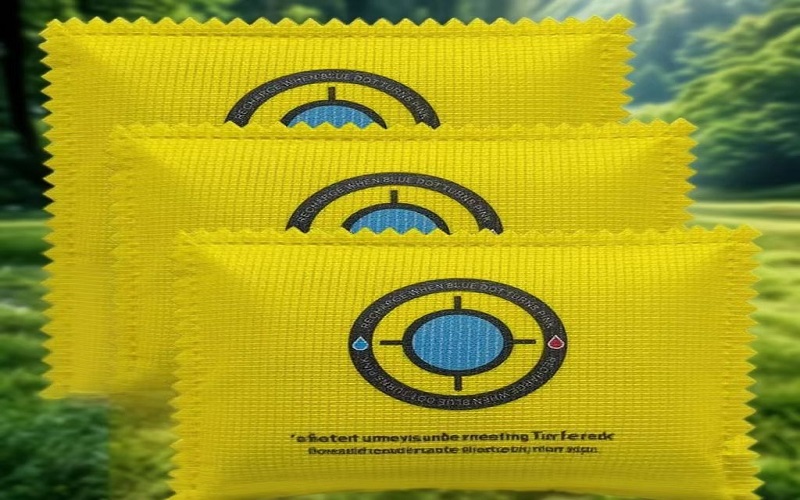
Composite Analysis of Absorbent Fabric Material and Diatomite Non-woven Fabric
In modern materials science, absorbent fabric materials are widely used in hygiene products, medical dressings, and other fields, while diatomite non-woven fabrics have emerged in the fields of environmental protection and home furnishings with good breathability and adsorption. By combining the two, it is expected to develop new materials with multiple excellent properties to meet diverse needs in different scenarios.
一. Characteristics of Absorbent Fabric Materials
Absorbent fabric materials mainly achieve efficient liquid absorption through their fiber structure and chemical treatment. Common absorbent fibers include cotton fibers, polyacrylic acid fibers, etc. These fibers have a porous structure that can quickly absorb and lock in liquids. For example, the water absorption rate of polyacrylic acid fibers can reach hundreds of times their own weight. In addition, absorbent fabric materials also have good softness and breathability, which helps reduce the moisture sensation of the skin after contact with liquids and lower the risk of skin allergies.
二. Characteristics of Composite Diatomite Non-woven Fabric
Composite diatomite non-woven fabric is a new type of environmentally friendly material, mainly composed of diatomite. Diatomites have a unique microporous structure with a porosity of over 90% and strong adsorption properties, which can effectively adsorb harmful substances in the air, such as volatile organic compounds such as formaldehyde and benzene. Meanwhile, the composite diatomite non-woven fabric also has good breathability and the function of regulating humidity. In environments with high humidity, diatomite non-woven fabric can absorb excess moisture; In dry environments, it can release moisture and maintain a stable relative humidity.
三. The Composite Advantages of Absorbent Fabric Materials and Diatomite Non-woven Fabrics
1. Improve absorption performance
By combining absorbent fabric materials with diatomite non-woven fabrics, the synergistic effect of both can be fully utilized. Absorbent fabric materials can quickly absorb liquids, while the microporous structure of diatomite non-woven fabric can further lock in liquids and prevent them from seeping back. This composite structure not only improves the absorption speed of the material but also enhances the absorption capacity and retention ability. For example, in medical dressings, this composite material can more effectively absorb wound exudate, keep the wound dry, and promote wound healing.
2. Enhance breathability and comfort
Absorbent fabric materials themselves have a certain degree of breathability, and the composite material can significantly improve breathability, which can better regulate the humidity in the usage environment and provide users with a more comfortable experience. In the field of hygiene products, composite materials can reduce the user's stuffiness and reduce the risk of skin allergies, especially suitable for products that are used for a long time, such as disposable diapers and sanitary napkins.
3. Improve environmental performance
The environmental characteristics of diatomite non-woven fabric have brought significant environmental advantages to composite materials. In traditional absorbent fabric materials, some chemical fibers may release harmful substances during production and use, causing certain environmental impacts. The addition of diatomite non-woven fabric can not only reduce the proportion of chemical fibers used but also further reduce the release of harmful substances through its adsorption performance. Meet the requirements of sustainable development.
4. Expand application areas
The combination of absorbent fabric materials and composite diatomite non-woven fabrics has expanded new areas of application for the material. In addition to traditional hygiene products and medical dressings, it can also be applied in the home field, such as indoor humidity control materials. In terms of indoor humidity regulation, composite materials can automatically adjust humidity according to changes in environmental humidity, creating a more comfortable living environment for people.
四. Preparation Methods of Composite Materials
The preparation method can be the composite non-woven fabric method, which involves combining absorbent fabric material and diatomite non-woven fabric through physical or chemical methods. Physical methods include hot pressing, ultrasonic welding, etc., while chemical methods include adhesive bonding, etc. Different composite methods can be selected as needed to flexibly adjust the properties of composite materials. The materials produced by the composite non-woven fabric method have good interlayer bonding strength and overall performance and are suitable for various application scenarios.
五. Conclusion
The composite of absorbent fabric material and diatomite non-woven fabric is a new type of material with broad application prospects. This composite material not only inherits the efficient absorption performance of absorbent fabric materials and the excellent adsorption performance of diatomite nonwoven fabrics but also further enhances the comprehensive performance of the material through synergistic effects. It has broad application potential in various fields such as hygiene products, medical dressings, and home materials. With the continuous improvement of preparation technology and cost reduction, composite materials of absorbent fabric materials and diatomite non-woven fabrics are expected to occupy an important position in the future material market, providing more solutions for people's lives and environmental protection.